
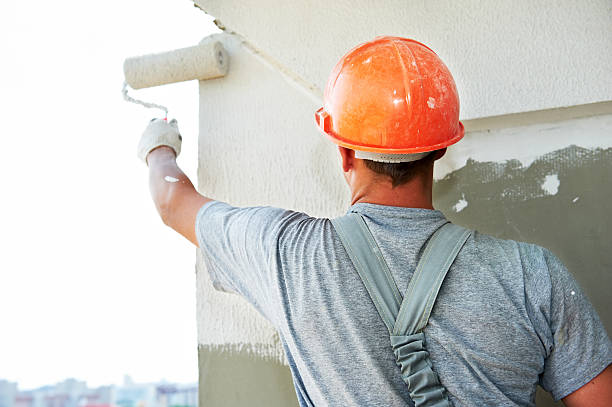
Painting your home or workplace can significantly enhance its appearance, protect surfaces, and even improve property value. While many people attempt to handle painting projects themselves, there are instances when hiring professional painters becomes essential. Here are four clear signs that it might be time to enlist expert help for your next painting project.
1. The Scope of the Project Feels Overwhelming
If your project involves multiple rooms, high ceilings, intricate details, or large exterior surfaces, it may be too ambitious to tackle on your own. Professional painters:
– Have experience managing large-scale jobs efficiently.
– Bring the necessary equipment like scaffolding, sprayers, or ladders for hard-to-reach areas.
– Can complete projects faster without compromising on quality.
When the scope of the job exceeds your expertise or available time, hiring professionals ensures that the work is done efficiently and safely.
2. You Want High-Quality Results
Achieving a flawless finish often requires more than just a steady hand and patience:
– Proper preparation is key (e.g., patching holes, sanding surfaces).
– Professionals use high-quality tools and paints tailored to specific materials and environmental conditions.
– Techniques like cutting in edges or ensuring smooth coats take years of practice.
Professional painters have the training and skillset to elevate the quality of any space by delivering clean lines and consistent finishes that DIY efforts often lack.
3. Safety Concerns Are an Issue
Certain painting jobs pose safety risks that require special precautions:
– Painting multi-story buildings may involve working at heights with ladders or scaffolding. – Handling lead-based paint or other hazardous materials can demand proper protective gear and procedures. – Ensuring proper ventilation when using strong chemicals like primers or solvents is critical.
Hiring licensed and insured painters not only guarantees professional results but also minimizes personal risk during the process.
4. You’re Facing Time Constraints
Your schedule may not allow you to commit hours—or even days—to prepping surfaces, painting walls, and cleaning up afterward. Professionals can streamline this process because they:
– Work full-time on projects rather than squeezing in time between other responsibilities. – Bring teams of workers to complete jobs more quickly. – Handle all aspects of the process so you don’t have to worry about gathering supplies or post-job cleanup.
If meeting deadlines is a priority for you (e.g., preparing a property for sale), professionals can help ensure everything stays on track without compromising on workmanship.
Key Benefits of Hiring Professionals for House Painting OH
| Benefit | Why It Matters |
| Expertise | Years of experience lead to superior finishes and technical precision. |
| Efficiency | Projects are completed faster without sacrificing quality standards. |
| Equipment & Tools | Access to specialized tools ensures safe handling of complicated tasks. |
| Long-lasting Results | Proper techniques guarantee better durability for paintwork over time. |
Relying on seasoned experts allows you to enjoy peace of mind throughout every stage of your painting project while achieving results that enhance both aesthetics and functionality in your space.
Top Reasons to Hire Painters Northwest Ohio for Your Next Big Project
Painting may seem like a straightforward task, but certain situations call for the expertise of professional painting contractors. Whether you’re dealing with a large-scale project, intricate details, or specific time constraints, knowing when to hire professionals can save you time, money, and stress. Below are key reasons why hiring professional painters might be the right choice for your next big project.
Tackling Large Interior Painting Projects on Your Own? Here’s Why You Shouldn’t
If you’re planning to paint an entire home or a commercial property, the size of the project can quickly become overwhelming. Professional painters have the tools, manpower, and experience to handle large-scale jobs efficiently and effectively. Here’s why they’re well-suited for bigger projects:
– Access to resources: Professionals often have high-quality equipment like airless sprayers and scaffolding that speed up work while ensuring precision. – Efficient team coordination: A crew of painters can divide tasks such as surface preparation, priming, and finishing coats for faster results.
Proper Surface Preparation Is Key for Quality Exterior Painting
Properly preparing surfaces is one of the most critical steps in achieving a flawless paint job. If your walls require extensive preparation—such as repairing cracks, filling holes, or dealing with water damage—it’s best to leave it to experts who have experience in addressing these challenges. Key aspects of surface preparation include:
– Cleaning surfaces to remove dust and grime. – Applying primers suitable for different wall types (e.g., drywall vs. plaster). – Sanding uneven areas for smooth paint application.
1. You Lack Experience with Specialty Techniques
Some painting projects call for advanced techniques such as faux finishes or textured coatings that go beyond basic brush-and-roll methods. Professional painters are skilled in applying decorative finishes and other complex techniques such as:
– Ombre effects: Gradual color blending across surfaces. – Venetian plaster: A polished finish resembling marble. – Stenciling or murals: Intricate designs that require steady hands and artistic ability.
If you’re aiming for a custom look that elevates your space’s aesthetic appeal, hiring professionals ensures high-quality results without trial-and-error frustration.
2. Safety Concerns Are Involved
Painting isn’t always risk-free—especially if it involves working on high ceilings or exteriors where climbing ladders is necessary. Professional painters are trained in handling safety risks associated with painting jobs and come equipped with proper safety gear including harnesses and stable ladders/scaffolding systems. Common scenarios where safety becomes critical include: – Painting multi-story buildings or stairwells. – Working around electrical fixtures or sharp edges. – Handling hazardous materials like lead-based paints (in older buildings).
| Risk Factor | How Pros Address It |
| Heights | Use of scaffolding/ladders & fall protection tools |
| Hazardous materials | Proper disposal & adherence to regulations |
| Poor ventilation areas | Use of masks/respirators during painting |
3. Time Constraints Demand Quick Turnaround
For individuals managing busy lives or businesses operating under tight schedules, completing a painting project on time can feel impossible without outside help. Professional contractors streamline every aspect—from planning timelines to ensuring every coat dries properly—so you don’t miss important deadlines.
Hiring professional painting contractors ensures not only efficiency but also quality craftsmanship that enhances your property’s appearance while potentially increasing its value over time.
Important Questions to Ask Before Hiring a Painting Company Ohio
Hiring a painting service can transform your space, but finding the right company requires careful consideration. Asking the right questions before signing a contract ensures you understand the scope of work, quality assurance, and overall professionalism of the contractor. Here are key questions to guide your decision-making process.
1. Are You Licensed and Insured?
A reputable painting service should have the proper licensing and insurance to protect both their workers and you as the homeowner or business owner. Licensing verifies that they meet local regulations, while insurance ensures coverage for accidental damages or injuries during the project.
- Protects you from liability in case of accidents.
- Ensures adherence to industry standards.
Follow-up Tip: Ask for proof of insurance or licensing documents for verification.
2. What is Your Experience with Similar Projects?
Not all painters specialize in every type of project. Whether it’s residential interiors, commercial exteriors, or intricate decorative work, it’s essential to confirm their expertise aligns with your needs.
- Have you handled projects of this size before?
- Do you have examples of similar work?
Pro Tip: Request a portfolio or references from past clients to evaluate their skills and consistency.
3. What Materials and Paint Brands Do You Use?
The quality of paint plays a significant role in the durability and finish of your project. Understanding what materials will be used ensures you’re getting value for your investment.
| Material/Brand | Benefits |
| High-Quality Paints | Better coverage, durability, vibrant colors |
| Eco-Friendly Options | Low VOC (Volatile Organic Compounds), safer for indoor air quality |
Follow-up Tip: Research recommended paint brands beforehand so you can discuss options confidently.
4. Can You Provide an Itemized Quote?
An itemized quote outlines labor costs, material expenses, preparation work, and any additional charges upfront. This transparency prevents misunderstandings about budget expectations later on.
Checklist for Reviewing Quotes:
– Is surface prep included (e.g., sanding, priming)?
– What does “cleanup” entail after the job is complete?
– Are there charges for changes requested mid-project?
5. How Do You Handle Clean-Up After the Job?
A professional painting service should leave your space clean and organized once they’re done. Clarify whether their clean-up includes disposal of paints, tarps removal, or furniture repositioning.
Key Points to Verify:
– Is clean-up included in the cost estimate? – Will they remove hazardous waste responsibly?
6. Do You Offer Any Warranties or Guarantees?
Warranties demonstrate confidence in workmanship and provide peace of mind should issues arise after completion.
Typical Warranty Types Include:
1-Year Touch-Up: Covers small imperfections like peeling paint. Manufacturer’s Warranty: Covers defects related to paint products used.
Ask how long warranties last — longer terms often signal higher-quality workmanship.
By asking these essential questions during consultations with potential painting services, you’re more likely to find reliable contractors who align with your expectations while delivering professional results.
Questions You Should Always Ask Before Hiring a Painting Service
1. Are You Licensed and Insured?
One of the first things to inquire about is whether the painting contractor holds the necessary licenses and insurance coverage. A licensed contractor demonstrates that they meet local requirements and standards, while insurance protects you in case of accidents or damage during the project.
- Protects you from liability for worker injuries on-site.
- Ensures compliance with local regulations.
2. How Many Years of Experience Do You Have?
Experience often correlates with expertise. A company or painter with several years in the business is more likely to have encountered varying challenges and developed solutions.
- Do you specialize in residential or commercial projects?
- Have you worked on a project similar to mine before?
3. Can You Provide References or Examples of Previous Work?
Reputable painters should be able to provide references from past clients or show examples of completed projects.
- Helps gauge their workmanship quality.
- Allows you to verify reliability through testimonials.
| Question | What To Look For |
| Can I see reviews online? | Positive feedback across platforms |
| Do you have a portfolio? | Evidence of work matching your needs |
4. What Is Included in Your Estimate?
Understanding what is included in an estimate prevents unexpected costs later on. Clarify whether supplies, surface preparation, clean-up, or repairs are factored into the quoted price.
- Cost of primer and paint materials.
- Labor charges for preparation like sanding or patching holes.
- Post-job cleanup time and fees (if any).
5. What Kind of Paint Products Do You Use?
The type of paint used can impact durability and aesthetics significantly. Ask about brands, finishes (e.g., matte, semi-gloss), and whether environmentally-friendly options are available.
- Do you use low-VOC (volatile organic compound) paints for minimal environmental impact?
- Which paint types do you recommend for high-moisture rooms like bathrooms?
6. What Is Your Timeline for Completing This Project?
A clear timeline helps manage expectations and ensures minimal disruption to your daily routine.
- Additional points to clarify:
- How many workers will be assigned to my project?
- Will weather conditions potentially delay exterior work?

Red Flags To Watch For: Questions They Struggle To Answer
- Vague information regarding licensing/insurance status.
- Hesitation when asked for references/reviews.
- Inability to explain pricing breakdowns clearly.
By preparing these questions in advance, you’ll be better equipped to hire a reliable painter suited perfectly for your needs while avoiding any surprises along the way.
The Ultimate Guide to Choosing the Best Interior Paint Colors for Your Home
Choosing the best interior paint colors for your home can be both exciting and overwhelming. The right colors have the potential to transform your space, evoke emotion, and reflect your personal style. This guide aims to simplify the process by offering practical advice and tips.
1. Understand Your Space
- Natural Light: Rooms with ample natural light can handle darker or bolder hues, while spaces with limited light benefit from lighter tones.
- Room Size: Lighter shades can make small rooms feel larger, while darker tones create a cozy effect in larger spaces.
- Purpose of the Room: For example:
- Bedrooms are ideal for calming hues like blues and soft greens.
- Kitchens benefit from bright, energizing tones such as yellows or whites.
2. Coordinate with Existing Elements
- Identifying dominant colors in your decor.
- Choosing complementary or contrasting shades for balance.
- Using neutral tones to create a timeless backdrop.
| Fixed Element | Suggested Color Pairings |
| Dark Wood Furniture | Warm neutrals like beige or cream |
| Light Flooring | Soft pastels or cool grays |
| Stainless Steel | Crisp whites or bold dark shades |
3. Choose a Color Palette
- Monochromatic Scheme: Variations of a single color (e.g., light blue walls paired with navy accents).
- Analogous Scheme: Colors next to each other on the color wheel (e.g., yellow and green).
- Complementary Scheme: Bold contrasts like blue and orange for high energy.
4. Test Paint Samples
- Purchase small paint samples of your chosen shades.
- Apply swatches on different walls in varying lighting conditions (morning, afternoon, evening).
- Observe how each shade interacts with artificial lighting and natural sunlight.
5. Pay Attention to Finish
- Flat/Matte Finish: Best for low-traffic areas; hides imperfections but isn’t very durable.
- Eggshell/Satin Finish: Versatile option suitable for most rooms; subtle sheen adds durability without being overly shiny.
- Semi-gloss/Gloss Finish: Ideal for high-moisture areas like bathrooms and kitchens; easy to clean but highlights flaws in surfaces.
Final Tips for Success
- Use no more than three main colors per room to avoid visual clutter.
- Incorporate accent walls sparingly for dramatic effect without overwhelming the space.
- Seek inspiration from nature, magazines, or online platforms when stuck between choices.
By carefully considering factors like lighting, existing decor, and finishes—and testing thoroughly before painting—you’ll be well-equipped to select interior paint colors that enhance both form and function within your home.
How Professional Painters Tackle Hard-to-Reach Areas and Large-Scale Projects
Painting hard-to-reach areas and tackling large-scale projects require more than just skill; they demand strategic planning, specialized tools, and professional expertise. Here’s how professional painters approach these challenges to deliver high-quality results efficiently.
Tools of the Trade for Hard-to-Reach Areas
- Extension Poles and Roller Frames: These allow painters to cover tall walls or ceilings without needing a ladder for every movement.
- Scaffolding: For larger projects with extensive height requirements, scaffolding provides stability and access to challenging areas.
- Ladders with Adjustable Heights: Multi-purpose ladders help access tricky spots such as stairwells or vaulted ceilings safely.
- Paint Sprayers: Ideal for uneven surfaces or areas where rollers may struggle, sprayers provide even coverage in less time.
| Tool | Purpose | Benefits |
| Extension Poles | Reaches high ceilings/walls | Reduces strain, increases reach |
| Scaffolding | Stability for large spaces | Safer access to elevated areas |
| Adjustable Ladders | Versatile access for tight spots | Greater flexibility in positioning |
| Paint Sprayers | Even coverage on tough surfaces | Faster application |
Techniques for Precision in Difficult Spaces
- Cutting In: This technique involves carefully painting edges with a brush before using rollers on larger surfaces. It ensures clean lines where walls meet ceilings or trim.
- Controlled Spraying: When using paint sprayers, professionals adjust the nozzle settings based on the area’s size or complexity to avoid over-spraying.
- Masking and Taping: High-quality painter’s tape is applied around windows, trims, and other features to prevent accidental paint application.
- Layering Paint Coats: Applying thin coats ensures better adhesion and reduces drips—especially important when painting overhead surfaces like ceilings.
Managing Large-Scale Projects Efficiently
- Project Assessment: Professionals begin by assessing the scope of work, including surface preparation needs like cleaning, sanding, or priming.
- Team Coordination: Multiple painters often work together on different sections of a project simultaneously to speed up completion times.
- High-Quality Paint Selection: Durable paints that provide excellent coverage reduce the amount of product required while ensuring longevity.
- Scheduling tasks during optimal working hours
- Allowing proper drying time between coats
- Breaking projects into manageable phases
Safety Is Always a Priority
Safety is a top concern when accessing hard-to-reach areas or working at heights. Professional painters comply with safety standards by wearing protective gear (such as harnesses or helmets), ensuring secure scaffolding setups, and conducting regular equipment inspections.
By combining specialized tools, proven techniques, strategic planning, and an emphasis on safety practices, professional painters have developed effective methods for handling even the most complex painting challenges effortlessly.
How Professional Painters Tackle Hard-to-Reach Areas and Large-Scale Projects
Painting can be a challenging task, especially when it involves hard-to-reach areas or large-scale projects. Professional painters have the expertise, tools, and techniques to handle these situations efficiently while ensuring high-quality results. Below is an overview of how professionals approach such tasks.
Specialized Tools for Hard-to-Reach Areas
Professional painters utilize advanced tools designed specifically for difficult spaces. These tools not only make the job easier but ensure a clean and professional finish.
- Extension Poles: Used for painting ceilings or high walls without requiring excessive ladder movement.
- Scaffolding: Offers a stable and safe platform for reaching tall exterior walls or multi-story homes.
- Angled Brushes: Perfect for painting corners, edges, or tight spaces where rollers cannot reach effectively.
- Spray Painters: Commonly used in large-scale projects to achieve smooth, even coats over expansive surfaces quickly.
- Step Ladders with Adjustable Heights: Essential for areas like staircases where leveling is uneven.
Techniques for Tackling Large-Scale Painting Projects
- Inspect the area to identify potential challenges such as structural damage, uneven surfaces, weather conditions (for exteriors), or obstructions that could complicate the process.
- Clean all surfaces thoroughly to remove dirt, grease, or peeling paint that might interfere with adhesion.
- For exterior projects, this often involves pressure washing walls.
- Sanding and priming are essential steps to ensure smooth application.
- Divide large areas into manageable sections based on height or structural features to maintain focus and uniformity in coverage.
- Use teamwork—professional crews often assign roles (e.g., cutting in edges versus rolling).
- Professionals use high-grade paints that provide better coverage and longevity for both interior and exterior applications.
Safety Measures While Painting Hard-to-Reach Areas
| Safety Measure | Description |
| Use of Harnesses | Secures painters working on scaffolding or ladders at significant heights. |
| Ladder Placement Guidelines | Ensures proper angle (1:4 ratio) to prevent tipping or instability. |
| Proper Ventilation | Necessary when using spray paints indoors to avoid fumes causing discomfort. |
Benefits of Hiring Professionals
- Faster completion times thanks to well-honed skills and experience.
- Consistent finishes across hard-to-reach areas without missed spots.
- Compliance with safety standards during challenging tasks.
By understanding their methods and tools better, you can appreciate why professional services are worth considering for intricate painting projects like vaulted ceilings or expansive commercial buildings.
- A Comprehensive Guide to Hiring Painters Northwest Ohio for Your Residential Painting Needs
- How to Spot and Choose a Quality Painting Company in Ohio for Your Next Project
- How to Find and Hire the Best Painters Northwest Ohio for Your Project
- How to Choose the Right Painters Northwest Ohio for Your Home
- Four Signs It Might Be Time to Start Looking for Painting Services Northwest Ohio
- Painters Northwest Ohio: Key Factors to Consider for a Perfectly Painted Home
- Tips for Choosing the Best Painting Company Ohio Has to Offer